Human Centric AI as a Driver for a Much More Understanding and comprehensive Society
The emphasis has moved in the direction of human-centric AI, which aims to create systems that prioritize inclusivity and compassion. This intro checks out the value of human-centric AI in improving inclusivity, cultivating empathy, and eventually offering as a stimulant for an extra equitable and harmonious future.
The Importance of Human-Centric AI
The importance of human-centric AI depends on its ability to focus on the demands and wellness of people, fostering a much more empathetic and inclusive culture. Traditional AI systems have focused primarily on performance and performance, usually overlooking the human component (human centric ai). Nonetheless, with the advent of human-centric AI, there is a change in the direction of designing systems that take into consideration the unique demands and choices of people.
By positioning people at the leading edge, human-centric AI intends to develop technology that is extra instinctive, versatile, and receptive. This approach identifies that AI must be a device to boost human capacities as opposed to replace them. It seeks to encourage people by supplying personalized experiences and solutions that accommodate their particular situations.
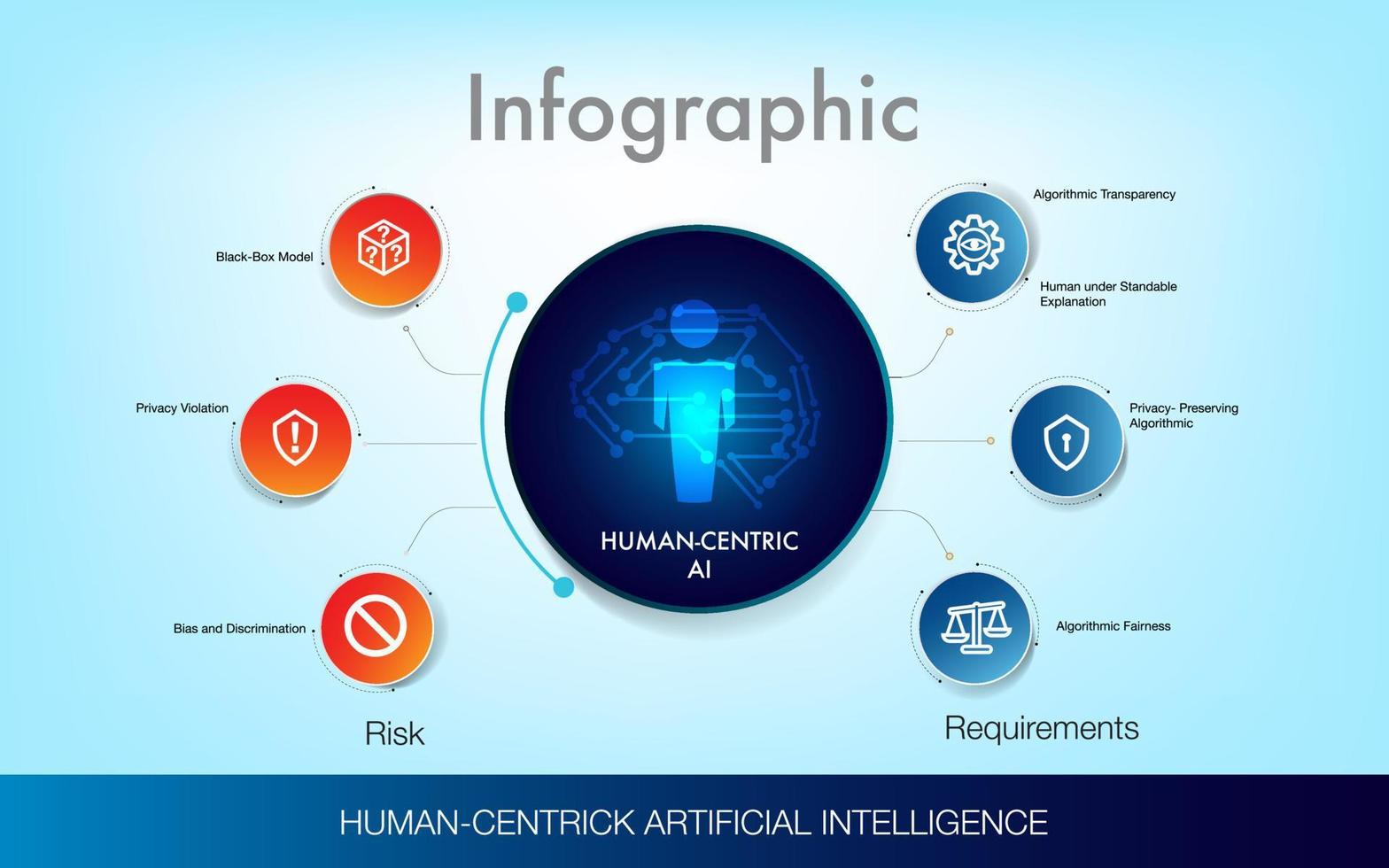
In addition, human-centric AI promotes inclusivity by making sure that innovation comes to all. It attends to concerns associated with privacy, discrimination, and prejudice problems, making AI systems much more equitable and reasonable. By engaging and thinking about varied perspectives with a vast range of stakeholders, human-centric AI fosters an extra comprehensive culture where everyone has an opportunity to profit from technological advancements.
Additionally, human-centric AI cultivates empathy by making it possible for machines to comprehend and react to human emotions, requirements, and worths. It encourages the advancement of AI systems that can understand, interact, and team up effectively with people, causing more meaningful interactions and connections.
Enhancing Inclusion With AI Modern Technology
Enhancing addition with AI innovation involves leveraging its capacities to encourage and deal with obstacles marginalized areas. AI can play a critical duty in developing an extra comprehensive society by providing solutions to long-lasting difficulties faced by marginalized groups.
AI can additionally assist in giving easily accessible technologies for individuals with impairments. With computer vision and all-natural language processing, AI can allow visually damaged individuals to browse their environment extra independently. Voice recognition innovation can equip people with handicaps to engage with electronic tools using voice commands.
Moreover, AI can help recognize and address biases and discrimination. By analyzing huge datasets, AI formulas can identify patterns of bias and discrimination in various domain names, such as work and criminal justice. This info can after that be utilized to develop plans and interventions that advertise level playing fields and reasonable treatment.
Empathy and Comprehending in AI Systems
Addressing the need for empathy and understanding in AI systems is essential for promoting a much more empathetic and inclusive culture. As AI comes to be increasingly incorporated right into our every day lives, it is crucial that these systems are made to not just execute jobs efficiently but likewise to recognize and respond to human emotions and requirements. Compassion in AI systems can enable them to much better offer individuals with diverse backgrounds, abilities, and preferences, ensuring that their unique point of views and needs are considered.
Executing compassion in AI systems involves creating formulas that can recognize and interpret psychological hints from human interactions (human centric ai). This needs training AI designs on huge quantities of information to properly recognize and recognize emotions shared via face expressions, intonation, and body movement. In addition, AI systems require to be configured to respond with empathy and compassion, taking into account the mood of the user and adjusting their feedbacks accordingly
By integrating compassion and understanding right into AI systems, we can create innovation that not only aids with jobs but additionally sustains and uplifts individuals. As an example, compassionate AI chatbots can give emotional support and support to those experiencing mental health and wellness difficulties. Empathetic AI can help bridge communication voids between people with different cultural backgrounds or language barriers, fostering understanding and empathy throughout diverse neighborhoods.
Conquering Prejudices Via Human-Centric AI
To promote a more inclusive and compassionate society, human-centric AI plays an important function in getting rid of prejudices. Prejudice, whether unconscious or aware, is a pervasive problem that influences decision-making processes in various domains, including education and learning, employment, and medical care. By leveraging human-centric AI, we can address and alleviate these prejudices, making sure fair and fair end results for all individuals.
One manner in which human-centric AI overcomes predispositions is through explainability. By giving clear explanations for its decision-making processes, AI systems can assist users comprehend and challenge predispositions that may exist in the algorithms or data. This empowers people to make informed decisions and take ideal activities to combat predispositions.
Additionally, human-centric AI makes it possible for individualized experiences that provide to private distinctions and preferences. By recognizing and adjusting to users' special features, AI systems can stay clear of biases that may occur from stereotypes or generalizations.
Developing a Much Better Future With AI and Empathy
Human-centric AI, driven by compassion, holds the possible to from this source shape a future that is a lot more thoughtful and comprehensive - human centric ai. As AI technologies remain to this post evolve, there is a raising concentrate on incorporating compassion right into their systems. By including compassion, AI can much better respond and understand to human feelings, needs, and experiences. This has substantial ramifications for different markets, consisting of healthcare, education, and customer solution.
In education, AI can assist produce a much more comprehensive learning atmosphere. Empathetic AI systems can adjust to private trainees' learning designs and supply tailored referrals and comments. This can empower pupils with various capabilities and backgrounds to reach their full potential.
Moreover, in client service, AI with compassion can improve the overall user experience. By recognizing and reacting to customers' feelings, AI can offer more empathetic and personalized support, leading to greater client fulfillment and commitment.
Conclusion
Finally, human-centric AI has the prospective to act as a catalyst for a much more compassionate and comprehensive culture. By focusing on the needs and point of views of people, AI innovation can boost inclusion and overcome biases. Integrating compassion and understanding into AI systems can promote a far better future by promoting justness, variety, and equivalent opportunities for all. It is important that we continue to develop and implement human-centric AI to produce a much more empathetic and comprehensive culture.
The focus has actually moved towards human-centric AI, which aims to develop systems that prioritize inclusivity and empathy. With the advent of human-centric AI, there is a change towards designing systems that take into account the special requirements and preferences of people.
Resolving the requirement for empathy and understanding in AI systems is important for fostering an extra comprehensive and empathetic culture. Empathy in AI systems can allow them to much better serve individuals with varied backgrounds, capabilities, and preferences, making certain that their distinct perspectives and requirements are thought about.
Human-centric AI, driven by empathy, holds the possible to shape a future that is much more caring and inclusive.